Getting Started with Wedding Stationery: A Guide for Recently Engaged & 2026 Couples
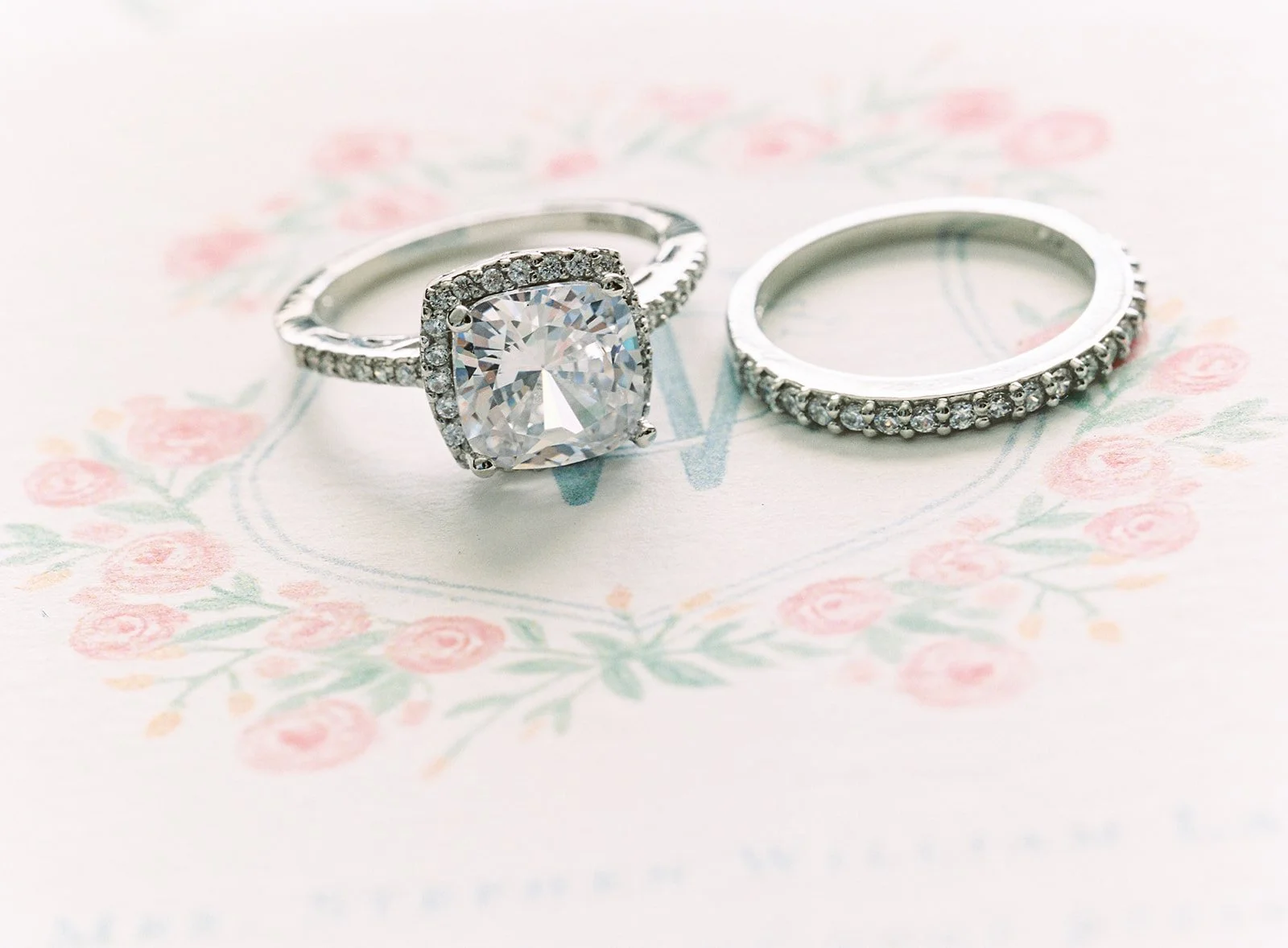
Photo by David Abel
If you’re newly engaged or planning a 2026 wedding, chances are wedding stationery is already on your radar—but maybe it also feels a little confusing. Between save-the-dates, invitations, envelopes, printing methods and etiquette, it’s hard to know where to begin.
The good news? You don’t need to make every decision at once. The stationery process is layered, intentional and much easier when you understand which choices matter most—especially when it comes to budget.
This guide will walk you through how to approach wedding stationery thoughtfully, and outline the major factors that influence cost, so you can make informed decisions that feel right for your day.
First Things First: Start with the Big Picture
Before choosing fonts or colors, step back and consider:
Your wedding date and location
Your overall aesthetic (romantic, classic, modern, coastal, formal, etc.)
Your guest count
Your priorities (design, print quality, custom artwork, or simplicity)
Stationery works best when it supports the tone of your celebration rather than competing with it. A refined vineyard wedding may call for very different paper choices than a destination beach weekend—and that’s exactly as it should be.
The Biggest Factors That Impact Stationery Cost
While every project is unique, most stationery budgets are shaped by a few key decisions. Understanding these upfront helps avoid surprises later.
1. Printing Method
One of the largest cost drivers is how your stationery is printed.
Digital Printing
The most budget-friendly option. Ideal for full-color designs (i.e. watercolors) and lighter quantities.Letterpress
Printed by pressing ink into thick paper, creating a tactile impression. This is a more labor-intensive process and typically increases cost.Foil Stamping
Adds metallic shine and drama. Foil requires custom dies and multiple production steps, making it a premium option.
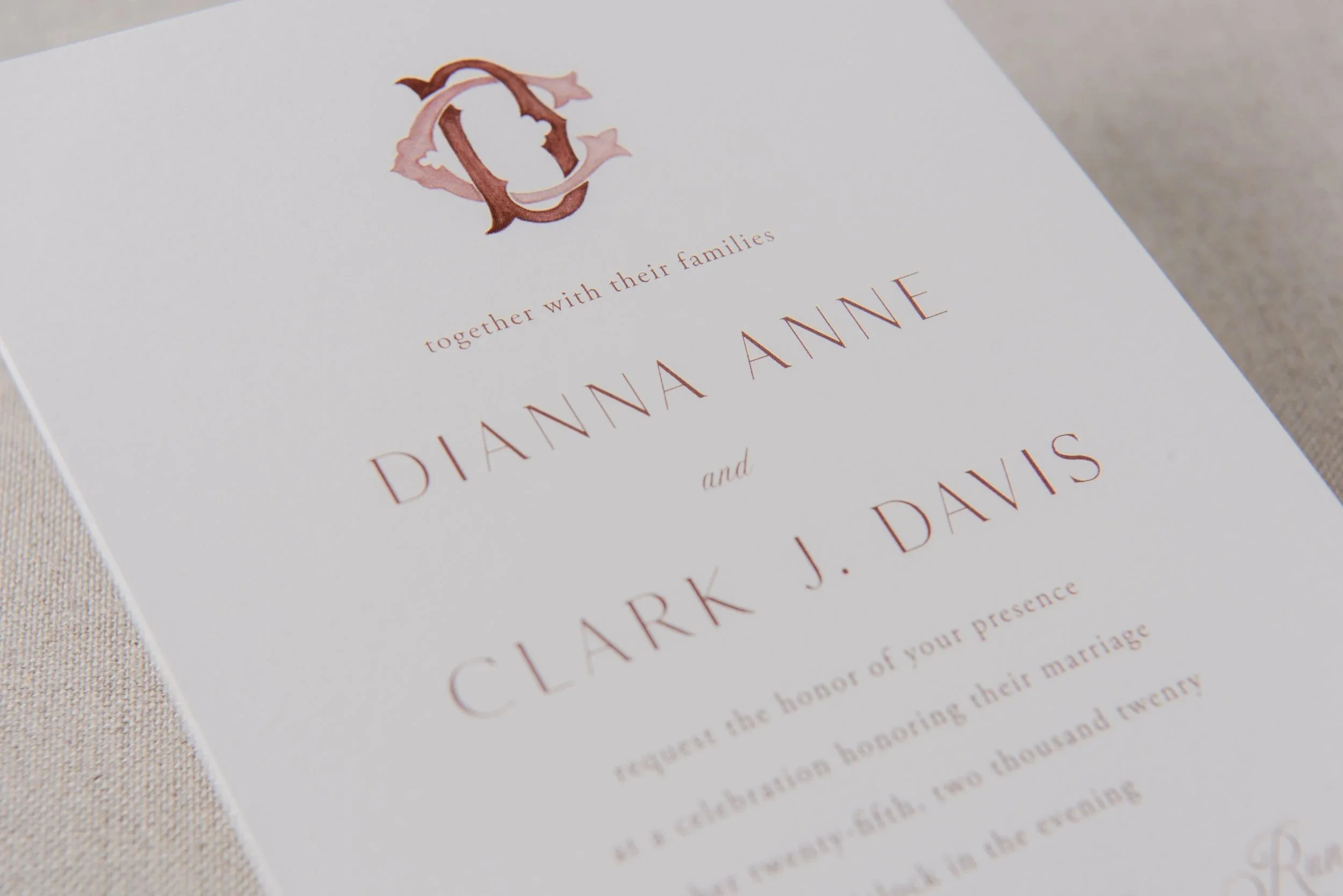
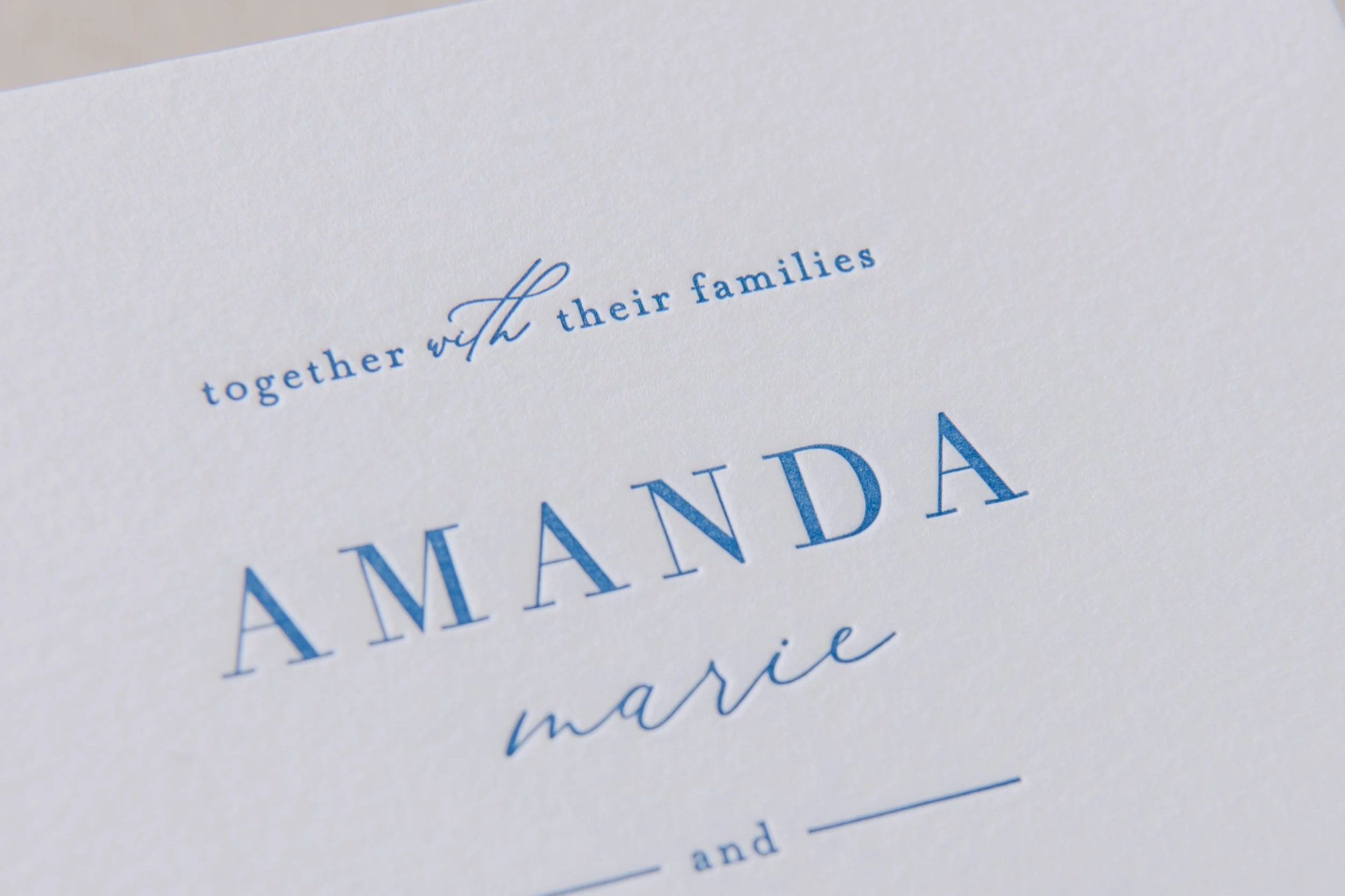
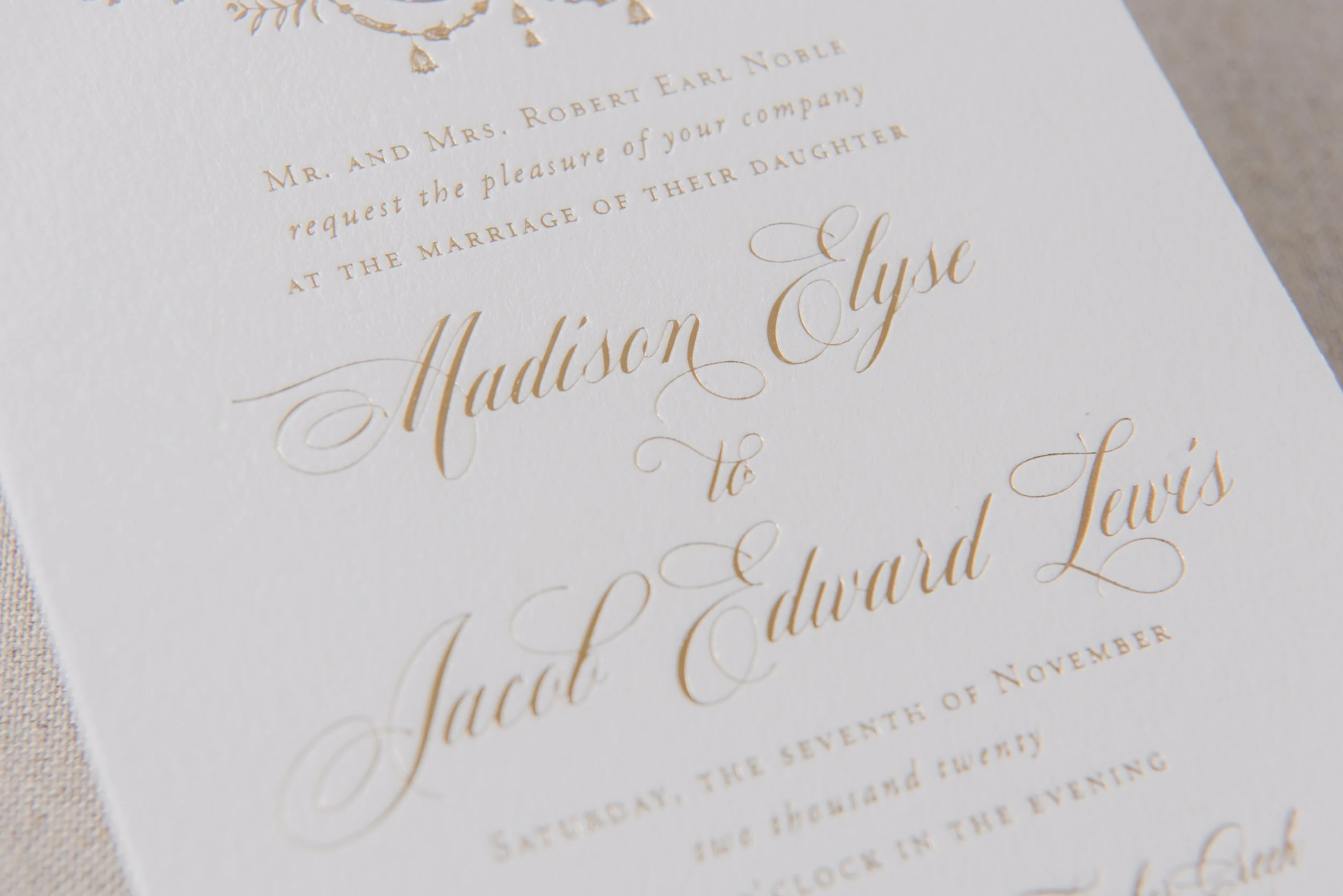
Photos by Kia & Co
2. Paper Type & Weight
Not all paper is created equal and paper choice significantly affects both cost and feel.
Factors include:
Cotton vs. paper-mill stock
Thickness (single vs. double-thick)
Texture (smooth, soft, handmade, deckled edges)
Heavier, specialty or handmade papers are more expensive, but offer a luxurious tactile experience that many couples love.
3. Quantity, Guest Count & Suite Size
Stationery pricing is closely tied to quantity.
You’ll need:
One invitation suite per household (not per guest)
Additional pieces like RSVP cards or details cards per suite
Wedding day paper based on total attendance
A higher guest count naturally increases printing, envelope and addressing costs. Ordering thoughtfully—and with guidance—can help avoid over-ordering.
Tip: If you are looking to cut down on costs, consider doing your RSVPs online. This eliminates the need for another suite card and return envelope, plus a stamp.
4. Custom Artwork & Design
Custom elements elevate a suite but also add to the investment.
Examples include:
Venue illustrations
Custom crests or monograms
Hand-painted watercolor elements
Fully custom layouts vs. semi-custom collections
Semi-custom designs offer a beautiful balance: a designer-created foundation with room for personalization, often at a lower cost than fully custom work.
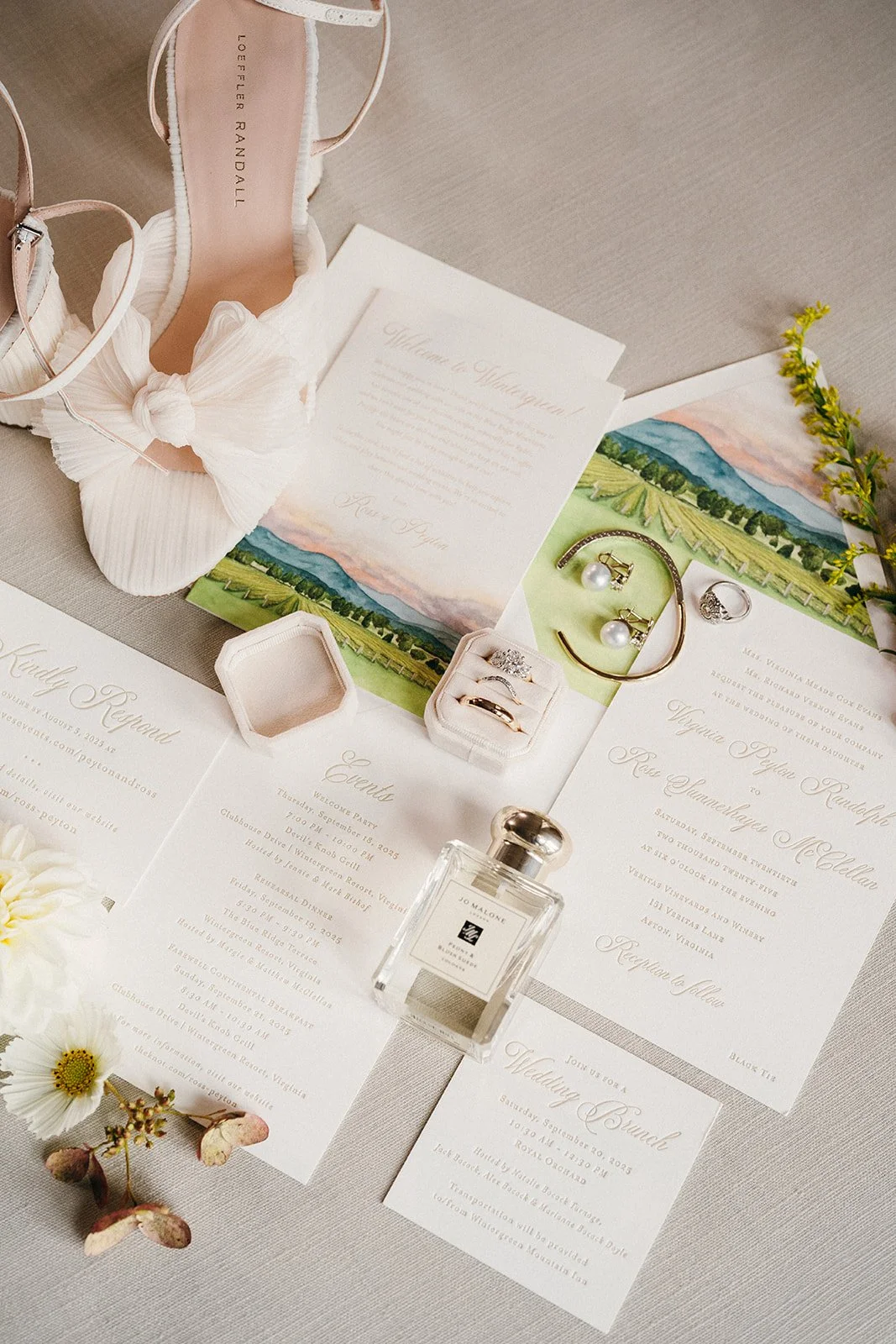
Photo by Gideon Photography
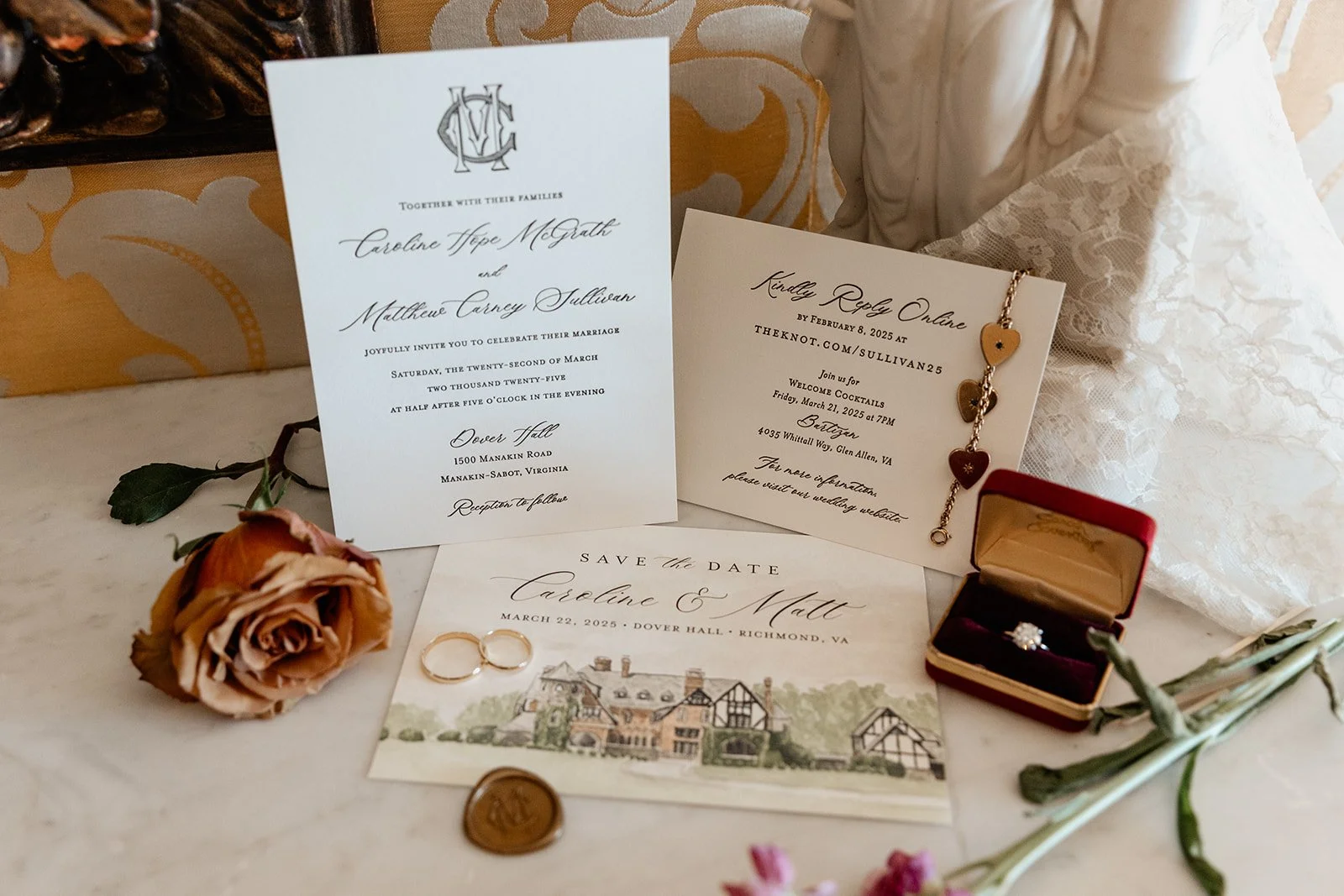
Photo by Barbaro O Photography
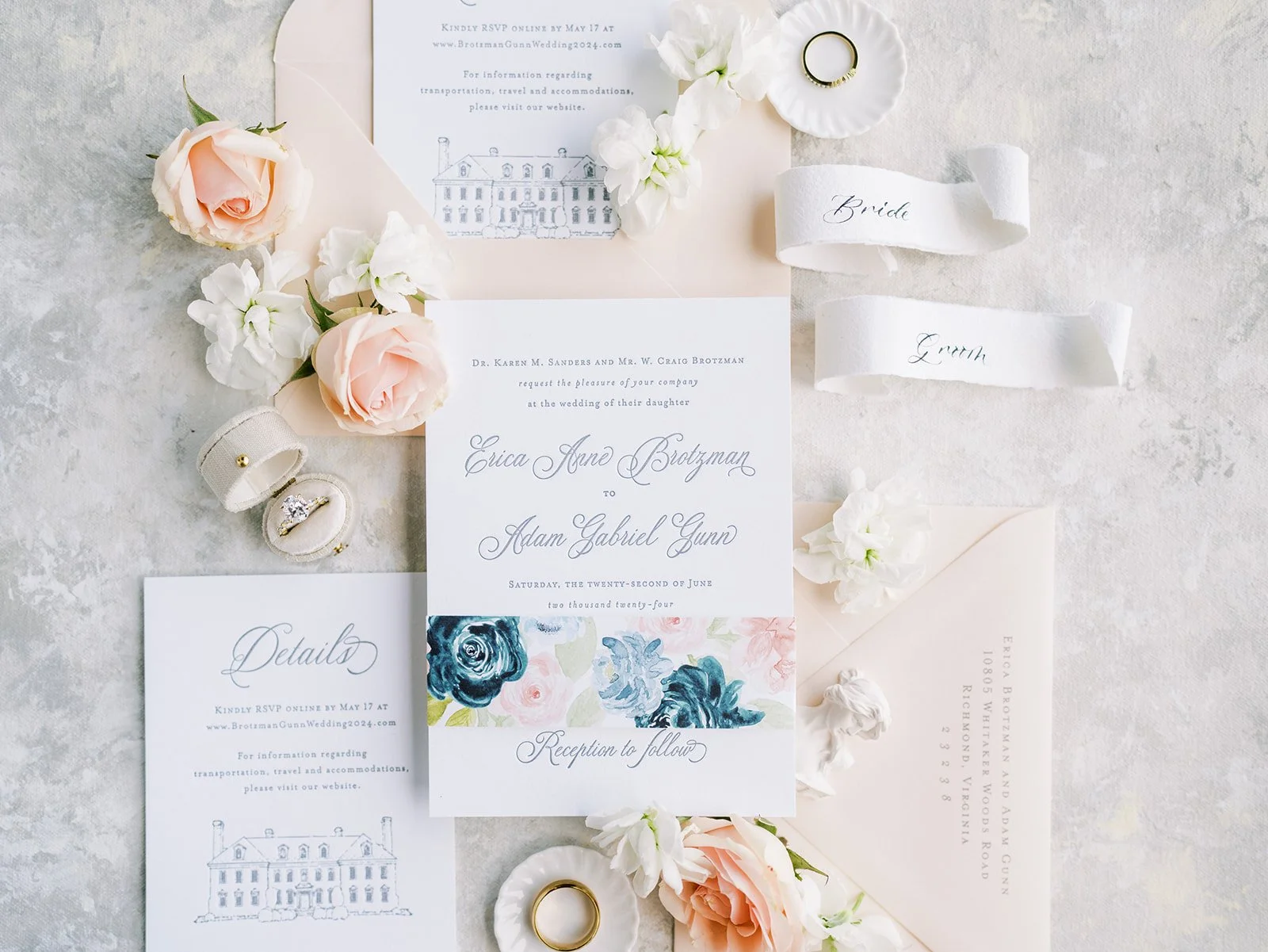
Photo by Jessica Lapp Photography
5. Envelopes, Addressing & Postage
Often overlooked, these details add up quickly.
Consider:
Envelope paper and color
Lined envelopes
Guest address printing or calligraphy
Return address printing
Postage (especially for heavier or layered suites)
A layered or embellished suite may require additional postage, which is important to factor into your overall budget.
6. Embellishments & Finishing Touches
These details bring personality and polish, but they do impact cost:
Wax seals
Vellum wraps or jackets
Belly bands
Ribbons or silk ties
Custom stamps
You don’t need everything. A few intentional details often have more impact than many competing elements.
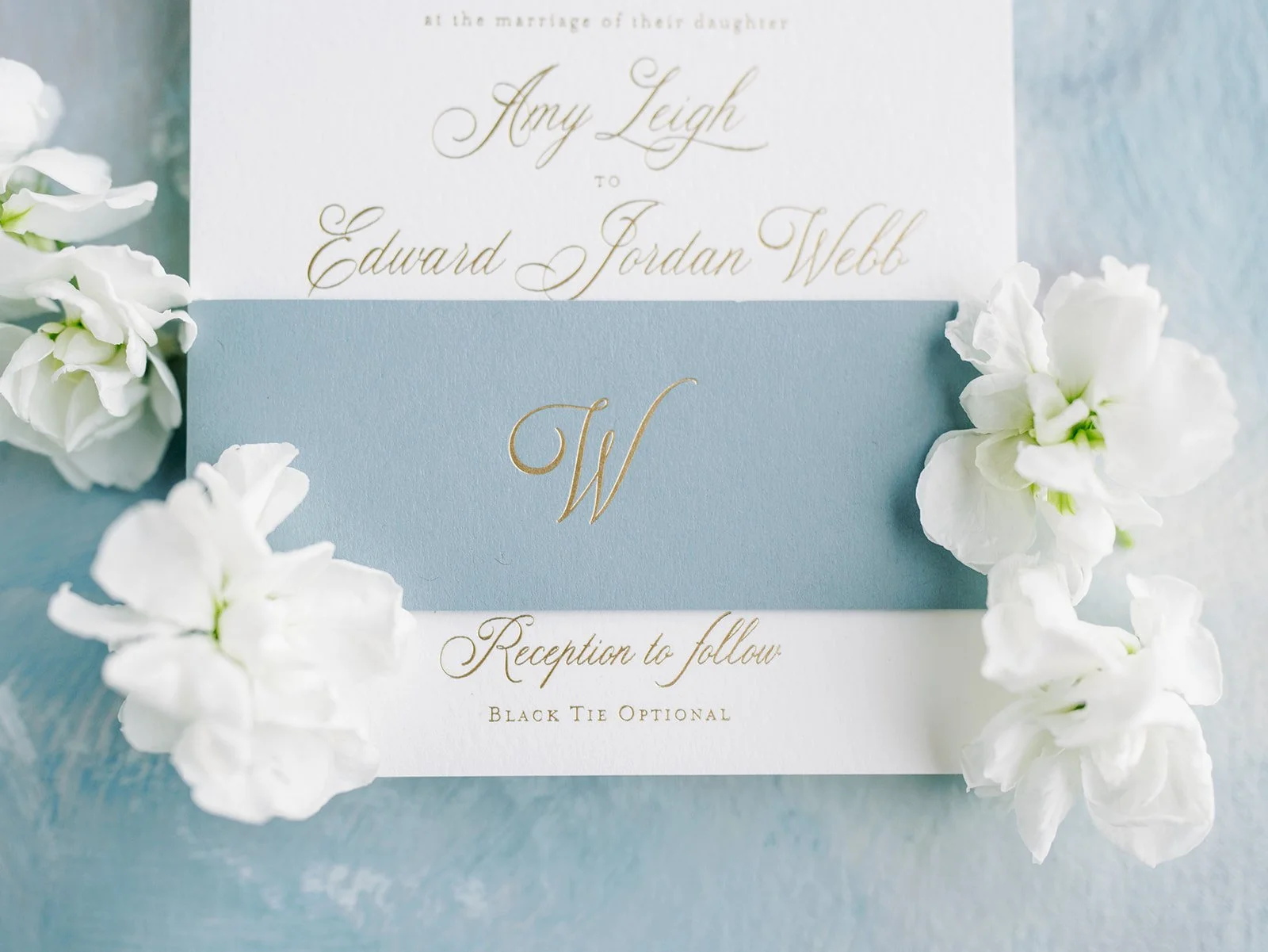
Photo by Jessica Lapp Photography
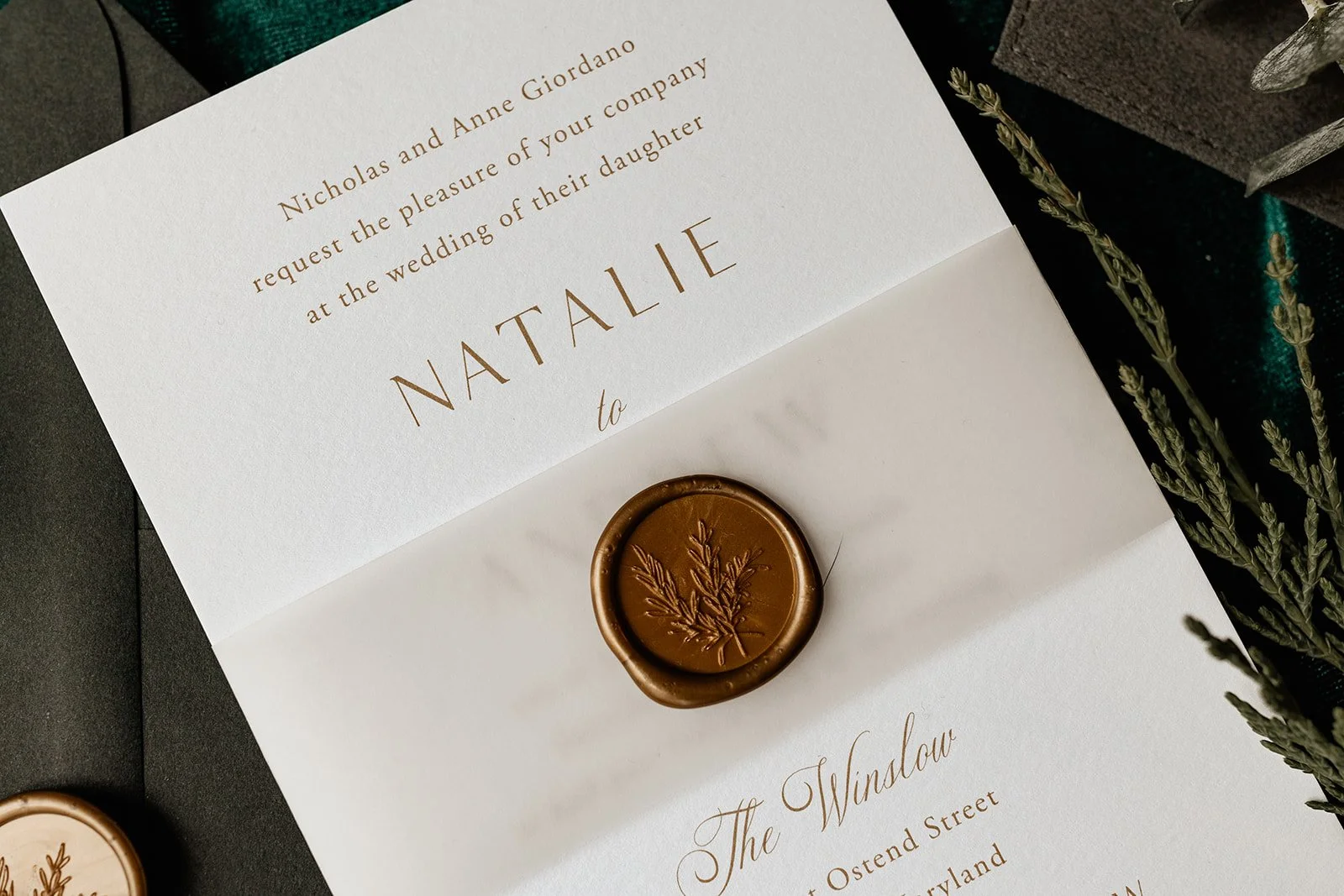
Photo by Barbara O Photography
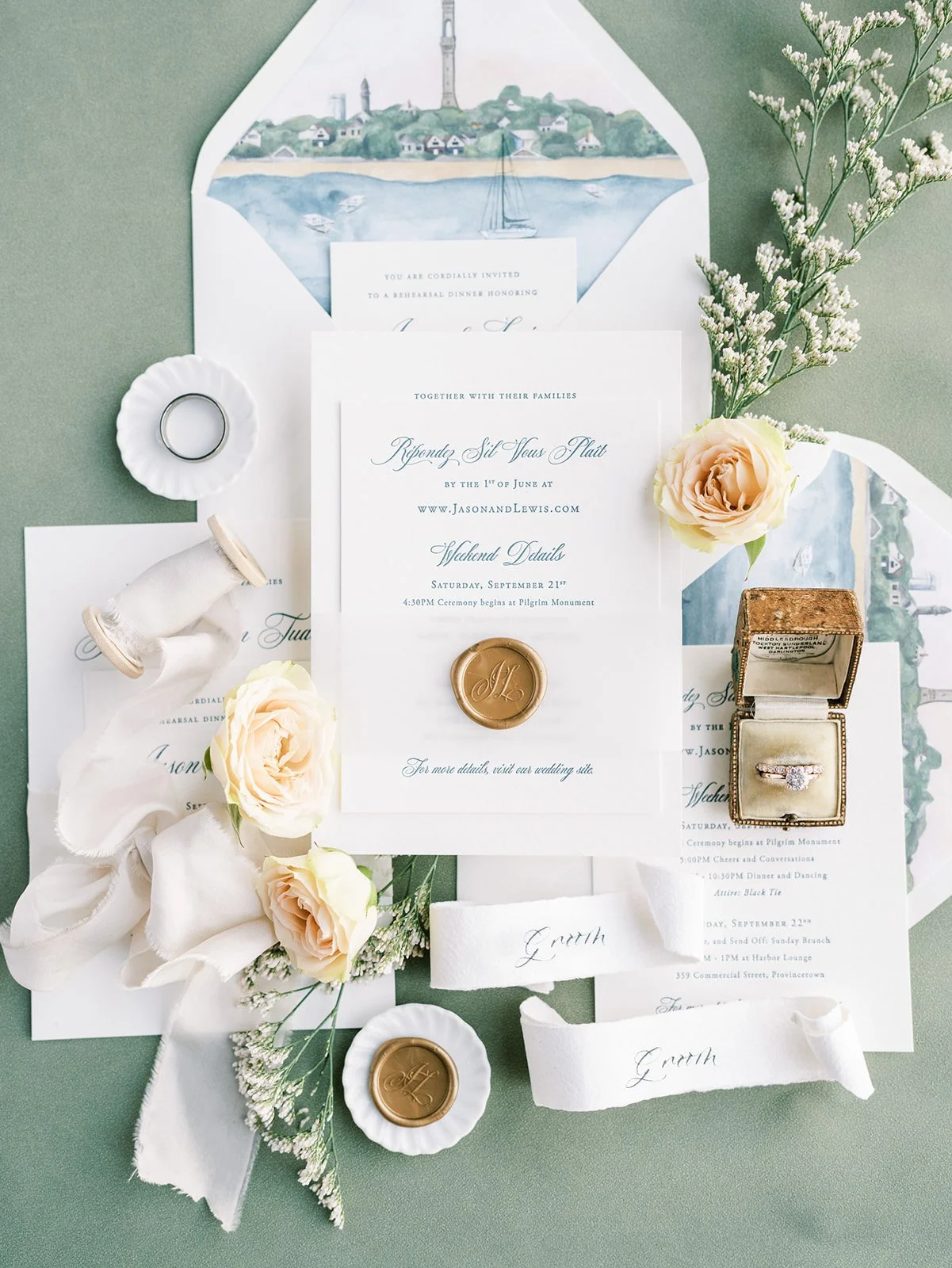
Photo by Jessica Lapp Photography
Timing Matters (and Saves Stress)
For 2026 couples, starting early is one of the best decisions you can make.
Early planning allows:
More flexibility in design and production
Time to explore options like sample kits
Better alignment with your full wedding timeline
Fewer rush fees and last-minute compromises
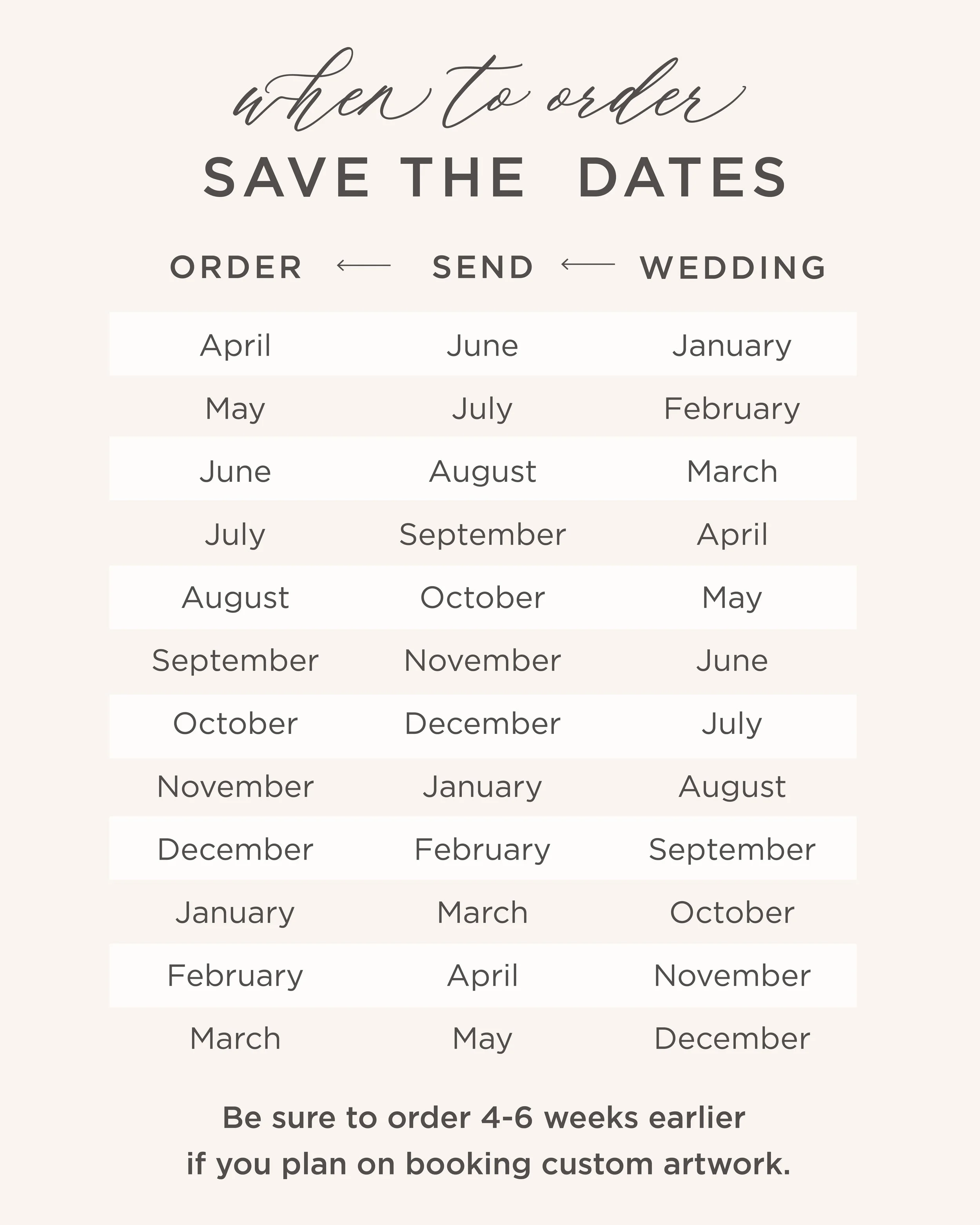
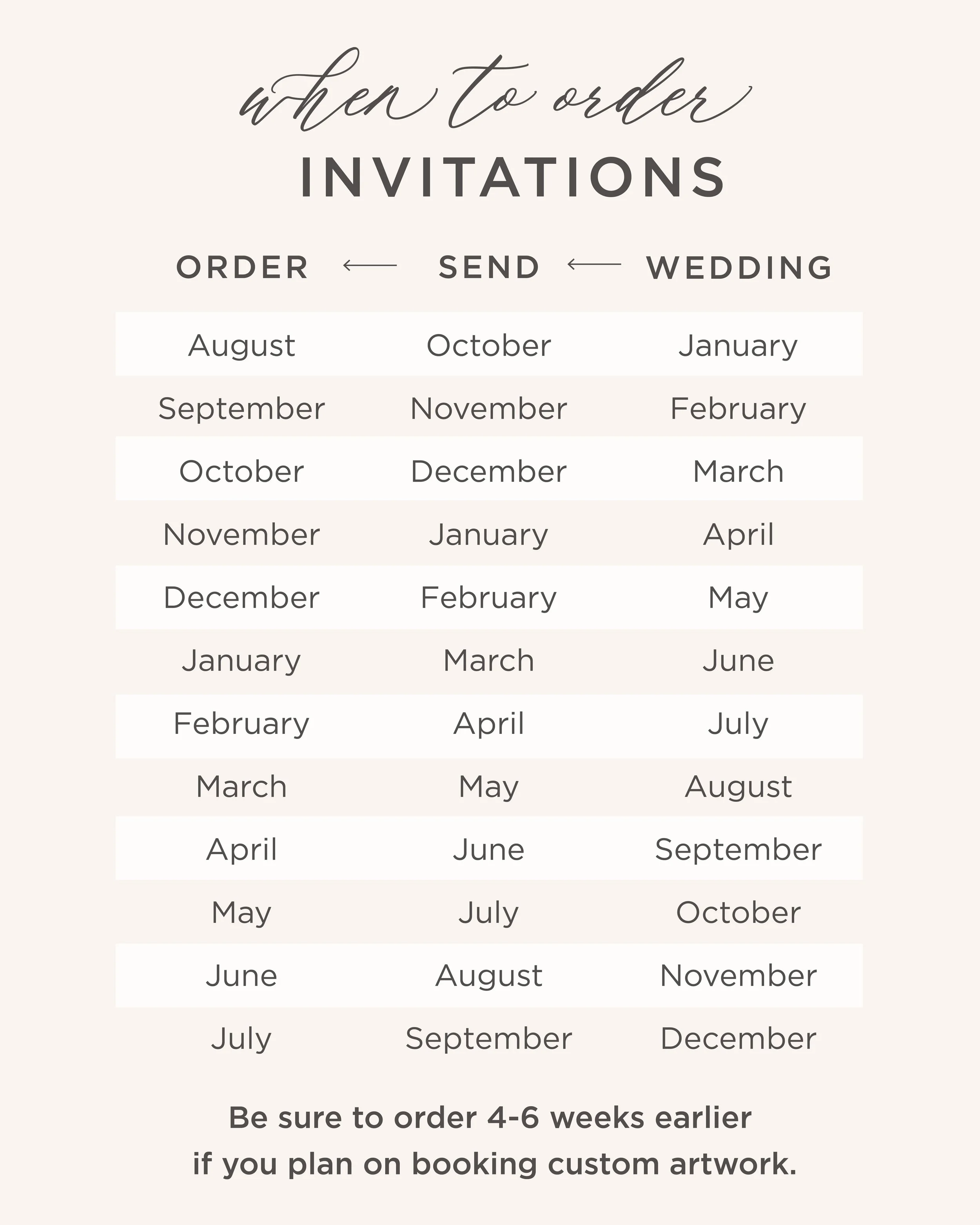
Most couples begin stationery conversations 6-9 months before invitations mail, with save-the-dates even earlier.
A Final Thought
Wedding stationery isn’t just about paper—it’s about storytelling. It’s the first glimpse your guests have into what your celebration will feel like and when done thoughtfully, it becomes something you’ll treasure long after the day has passed.
Whether your priority is simplicity, craftsmanship or custom design, understanding the process empowers you to make choices that feel both beautiful and intentional.
If you’re planning a 2026 wedding, now is the perfect time to explore, learn, and dream—without pressure.
✨ Sample kits are a wonderful first step
✨Inquiries for 2026 are now open
✨Guidance is always part of the process
You don’t have to do this alone—and you don’t need to have it all figured out yet.